If you are an independent Filipino artist trying to make a living from your work, you already know the frustration of figuring out where to sell art online in the Philippines.
The standard advice you'll find online is to "just list your work" on massive global platforms like Saatchi Art, Artfinder, or Etsy. But that generic advice completely ignores the reality of operating as a creative in the Philippines.
When you list a 24x36-inch physical painting on a US-centric platform, the cross-border shipping logistics alone can kill the sale. If a collector from New York actually wants to buy it, you're suddenly dealing with DHL quotes that can cost more than the artwork itself. And if you do manage to sell it? The platform takes a 40% commission, and the remaining funds are sent to your PayPal account, where you lose another 4-5% to terrible foreign exchange rates when transferring the money to your local bank.
Alternatively, you might try the local DIY route: posting on Facebook groups or Instagram. While you keep 100% of the profits, you're now acting as a full-time social media manager, a customer service rep dealing with endless "hm po?" comments and "joy reservers," and a logistics coordinator trying to book Lalamove riders during a rainstorm.
This is exactly why we built Obramaestra. We saw that the best platform to sell art in the Philippines didn't actually exist yet, so we created a marketplace specifically tailored to the logistics, payment preferences, and community needs of Filipino artists and collectors.
In this article, we break down the most popular online platforms for selling art, the hidden costs and logistical hurdles of each, and how Obramaestra offers a better, more profitable alternative for local creatives.
The reality of global art marketplaces for Filipino artists
When artists ask how to sell paintings online in the Philippines, the first answers are usually massive global galleries. These platforms have millions of monthly visitors, but they are built fundamentally for a Western ecosystem.
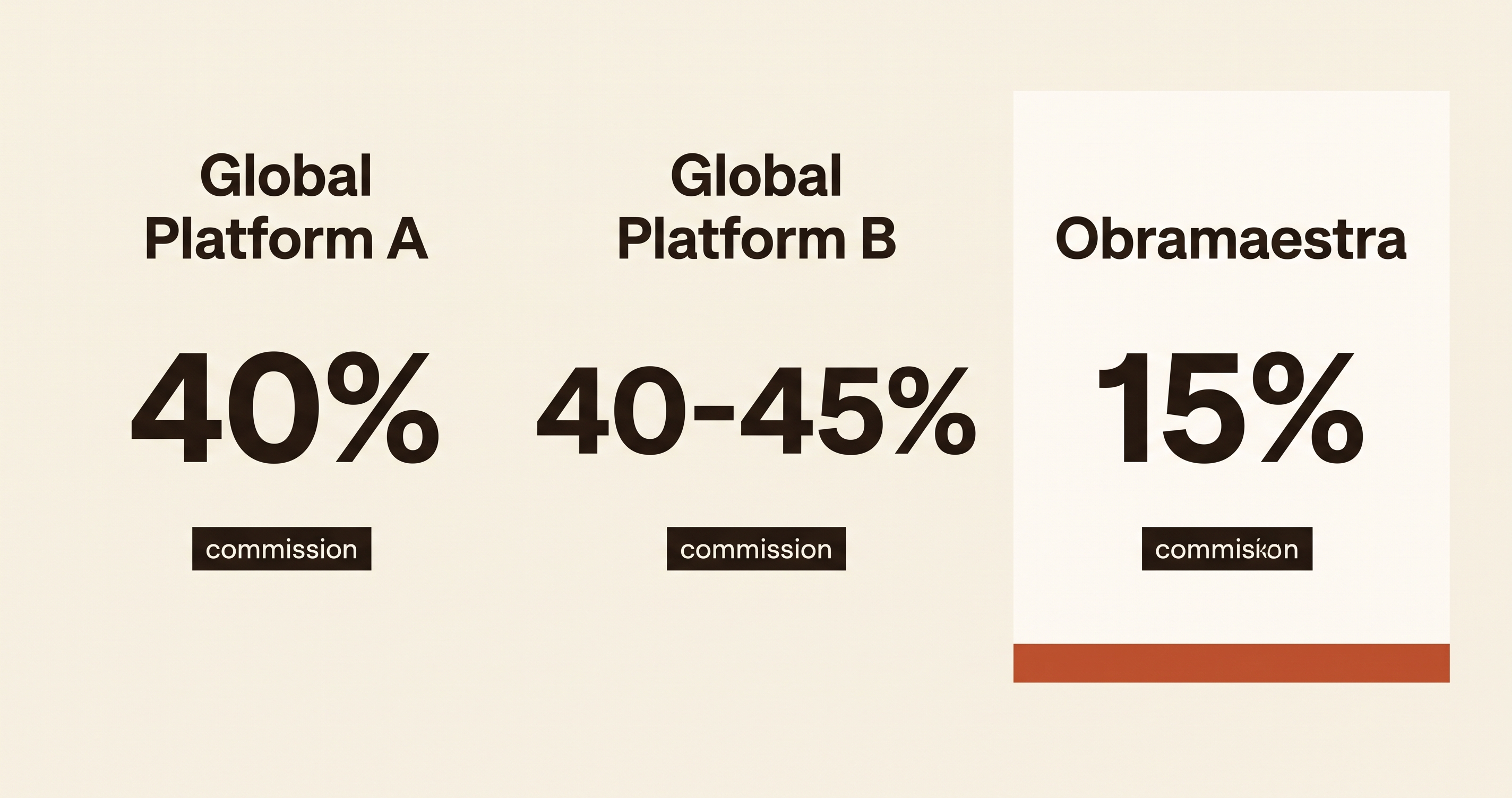
Saatchi Art is often considered the gold standard for independent artists selling original pieces. They have immense traffic and handle the shipping coordination on the seller's behalf. The reality check: Saatchi takes a massive 40% commission on the final sale price, and if a buyer uses a promotional discount (which Saatchi runs frequently to drive their own traffic), that discount is deducted before the 60/40 split — the artist eats a portion of the platform's marketing cost. For a Filipino artist, the shipping cost might be paid by the collector, but you wait 14 to 19 days after delivery for your funds to clear, routed through wire transfer or PayPal, meaning local artists relying on steady cash flow are hit with significant delays and currency conversion fees.
Artfinder is a curated marketplace that focuses on the artist's personal story. You have to apply to join, and once accepted, you can list original paintings, sculptures, and limited-edition prints. Aside from their 40–45% commission rate, Artfinder requires a monthly subscription fee on some of its seller tiers. If you are an emerging artist whose sales are unpredictable, paying a monthly subscription in British Pounds or US Dollars just to keep your listings active can put you in the red before you even make a single sale.
If you want to sell digital art in the Philippines, Etsy is usually the first recommendation. It's ideal for printable wall art, digital planners, and Procreate brushes because of its massive built-in buyer base. But Etsy is incredibly saturated. Unless you are highly skilled at Etsy SEO and willing to pay for internal ads, your digital art will likely be buried on page 40 of the search results. Etsy also has notoriously strict shop suspension policies for new sellers outside the US, and its fee structure (listing fees, transaction fees, payment processing fees, and offshore fees) heavily eats into the margins of lower-priced digital products.
The local DIY route (social media)
Frustrated by the high commissions and logistical nightmares of global platforms, many Filipino artists turn to what they know best: Instagram, Facebook Pages, and local Facebook groups like "Art for Sale Philippines."
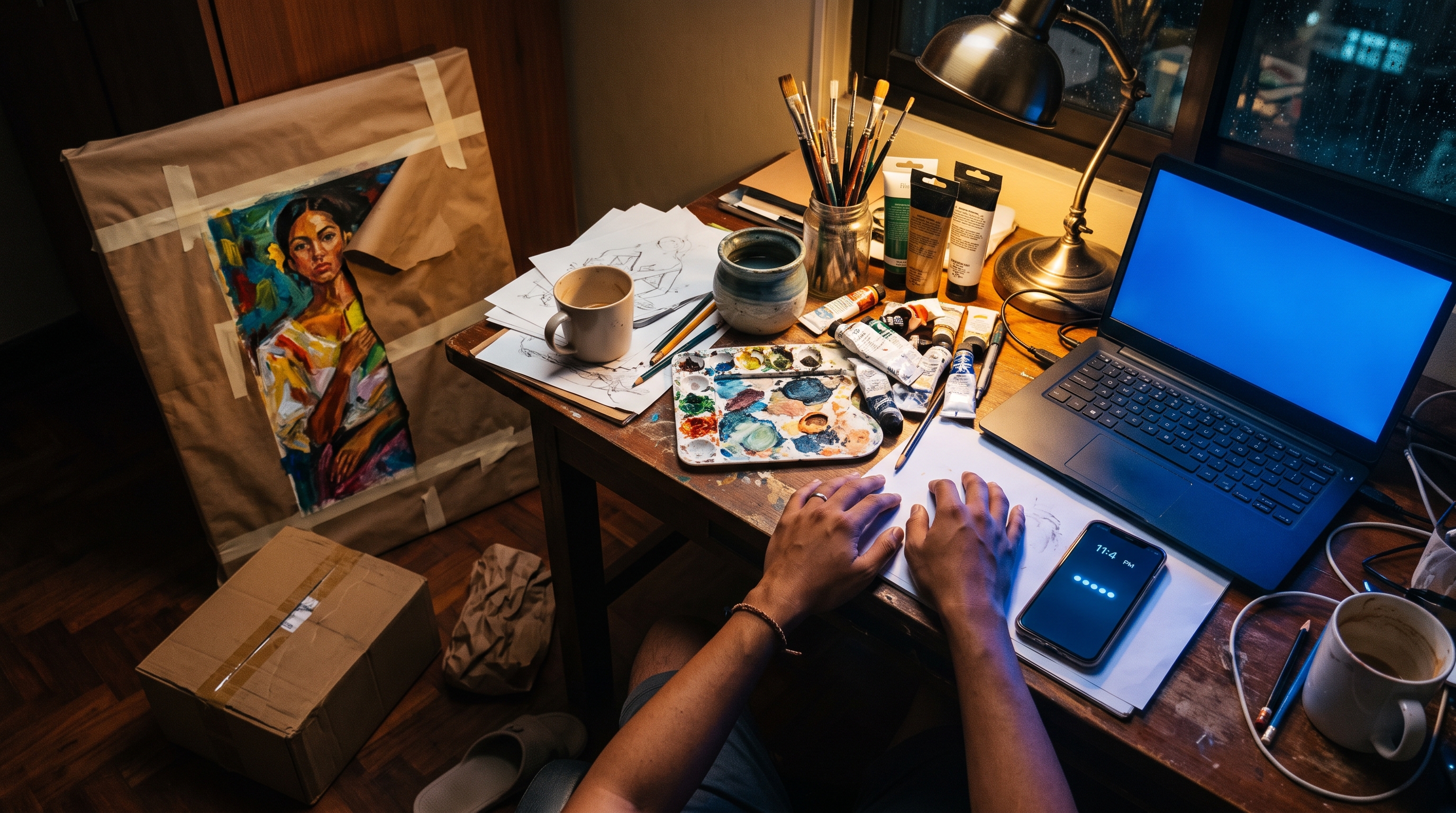
The appeal here is obvious: it's completely free to post, and you keep 100% of your sales. You can build a direct relationship with your collectors, share your behind-the-scenes process via Instagram Reels, and process payments instantly via GCash or Maya. The reality check is that you are doing the job of five different departments simultaneously.
- Marketing: you have to constantly feed the algorithm. If you stop posting or running giveaways, your reach dies.
- Customer service: you have to manually reply to dozens of direct messages asking for the price, dimensions, and availability, often from people who have no intention of actually buying.
- Security: there is no escrow or buyer protection. Collectors have to trust you enough to send money first, and you have to trust them not to cancel a custom commission halfway through the painting process.
- Logistics: you are manually coordinating with Grab, Lalamove, or J&T Express, dealing with tracking numbers, insurance limits, and damaged packages entirely on your own.
Curated local galleries (Cartellino, Vintana)
In recent years, several local online galleries like Cartellino and Vintana have emerged to digitize the Philippine contemporary art scene. These platforms do an excellent job of presenting local art in a highly professional, exhibition-like format and actively promote the artists they represent.
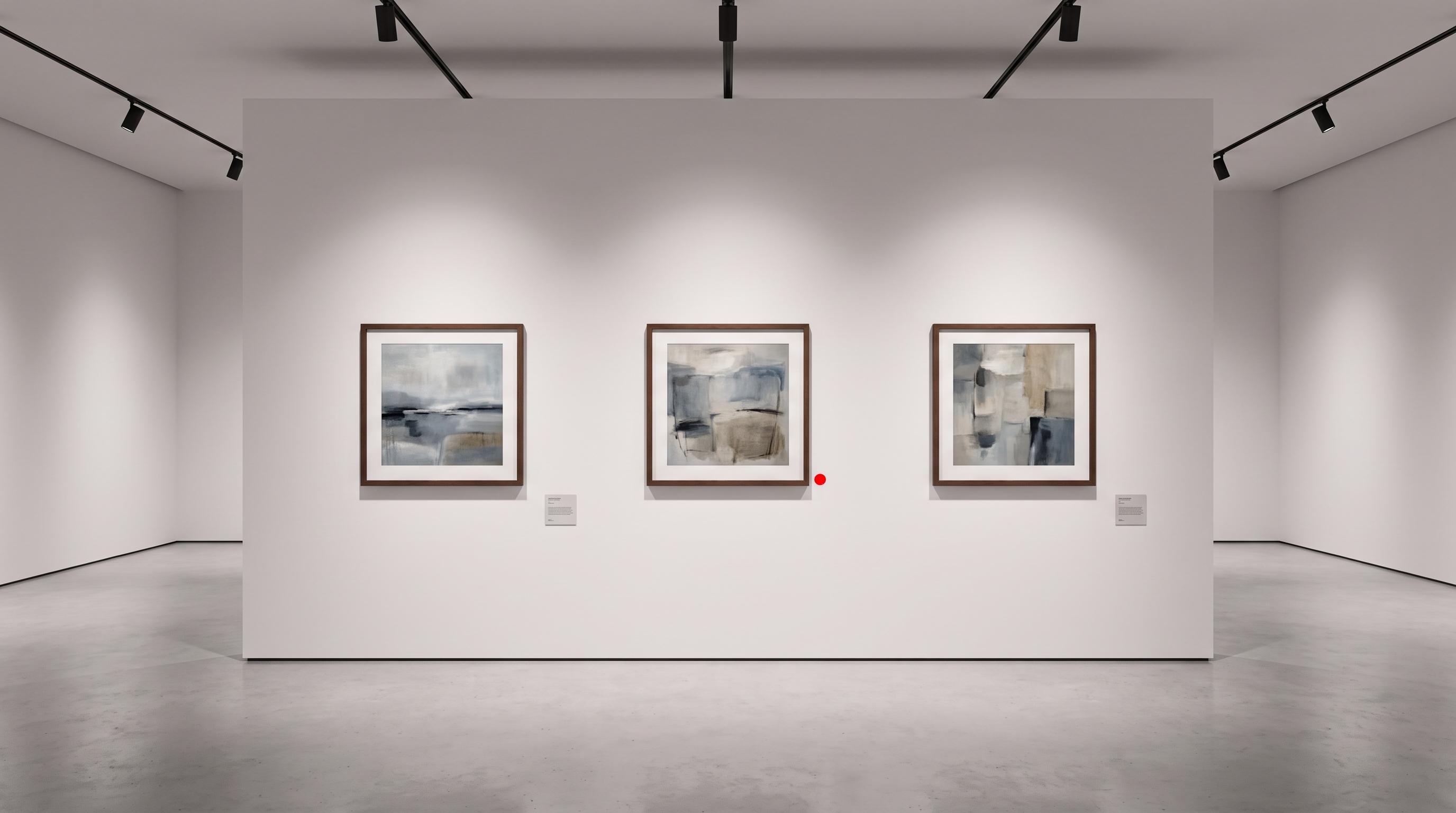
The reality check: these platforms operate exactly like traditional physical galleries that have simply moved online, rather than open marketplaces. They are heavily curated, usually invitation-only, or highly selective. If you are an emerging or mid-career artist without a track record of physical gallery exhibitions, it is very difficult to get your work listed. They are not built for the everyday artist looking to set up an independent shop and sell directly to their audience.
The disruption story: how Obramaestra fixes the broken system
When we looked at the landscape of where to sell art online in the Philippines, we realized the system was broken. Artists were forced to choose between giving away 40% of their income to a global platform that didn't understand local logistics, hoping to get chosen by an exclusive local gallery, or doing 100% of the grueling administrative work themselves on Instagram.
Obramaestra was built specifically to solve these exact pain points. We combine the professional tools and security of a global marketplace with the localized payments required to operate in the Philippines. Here is how Obramaestra fundamentally changes the game for local artists.
1. Localized payments (no more forex losses)
We know that Filipino collectors prefer paying through local channels, and Filipino artists want their earnings in their local bank accounts without exorbitant fees. Unlike global platforms that force you through PayPal, Obramaestra integrates directly with Philippine payment gateways.
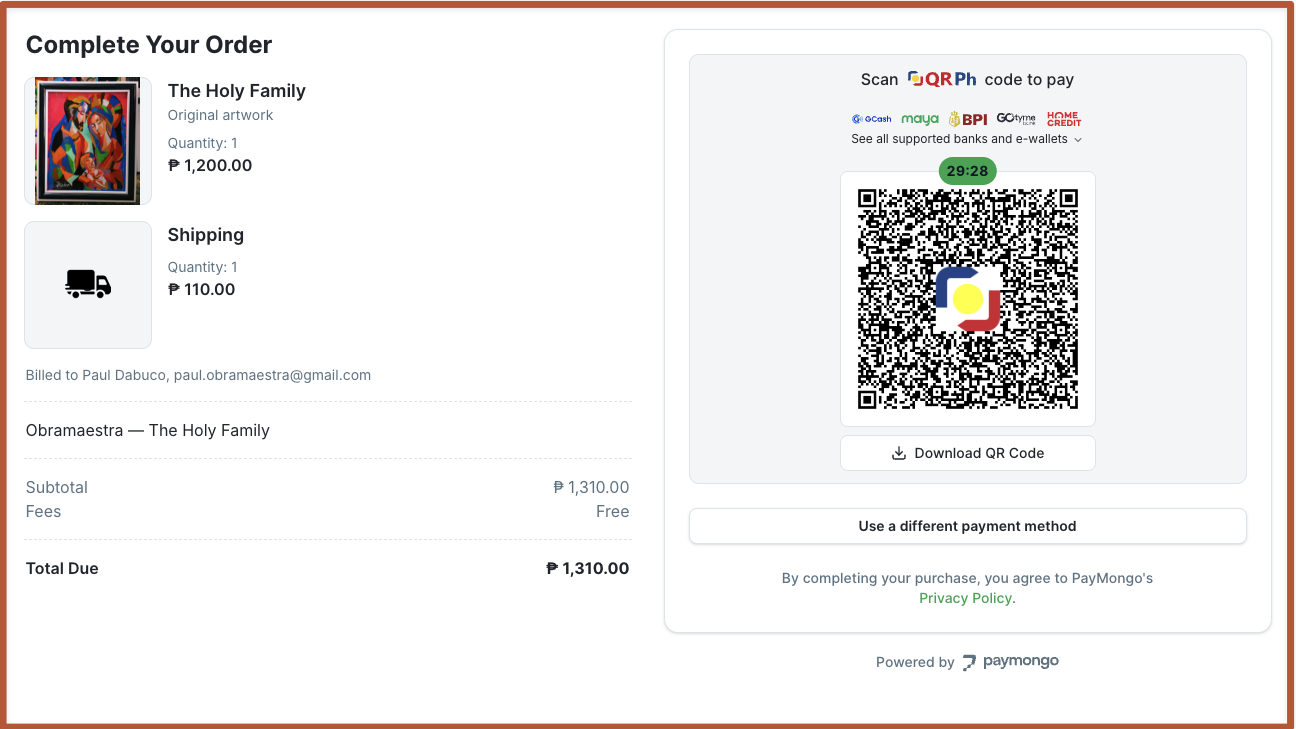
Buyers can check out seamlessly using credit cards, Maya, GCash, or direct local bank transfers. As an artist, your payouts go directly to your local account in Philippine Pesos, saving you the 4-5% currency conversion sinkhole.
2. Artist-friendly commissions
We fundamentally believe that taking 40% of an artist's hard work is excessive. Obramaestra charges a flat 15% commission on every artwork sold, a fraction of what Saatchi Art (40%), Artfinder (40 to 45%), or a traditional gallery (often 50%) will take from you. We don't hide our fees behind monthly subscriptions or complicated tiers. You pay that single, transparent percentage only when you actually make a sale, making it completely risk-free to list your portfolio.
3. Built for the Philippine logistics reality
Shipping a delicate watercolor or a bulky acrylic canvas across Metro Manila, let alone to the Visayas or Mindanao, requires local knowledge that a Los Angeles-based platform simply doesn't have. Instead of forcing artists to navigate international shipping zones, customs forms, and DHL quotes, Obramaestra keeps the entire transaction domestic. You arrange delivery through the courier you already know and trust, whether that's Lalamove, J&T Express, or LBC, while our escrow system holds the buyer's payment until delivery is confirmed. That gives both sides a transparent, accountable paper trail, without forcing you to ship an oil painting across an ocean.
4. Trust and security (the escrow system)
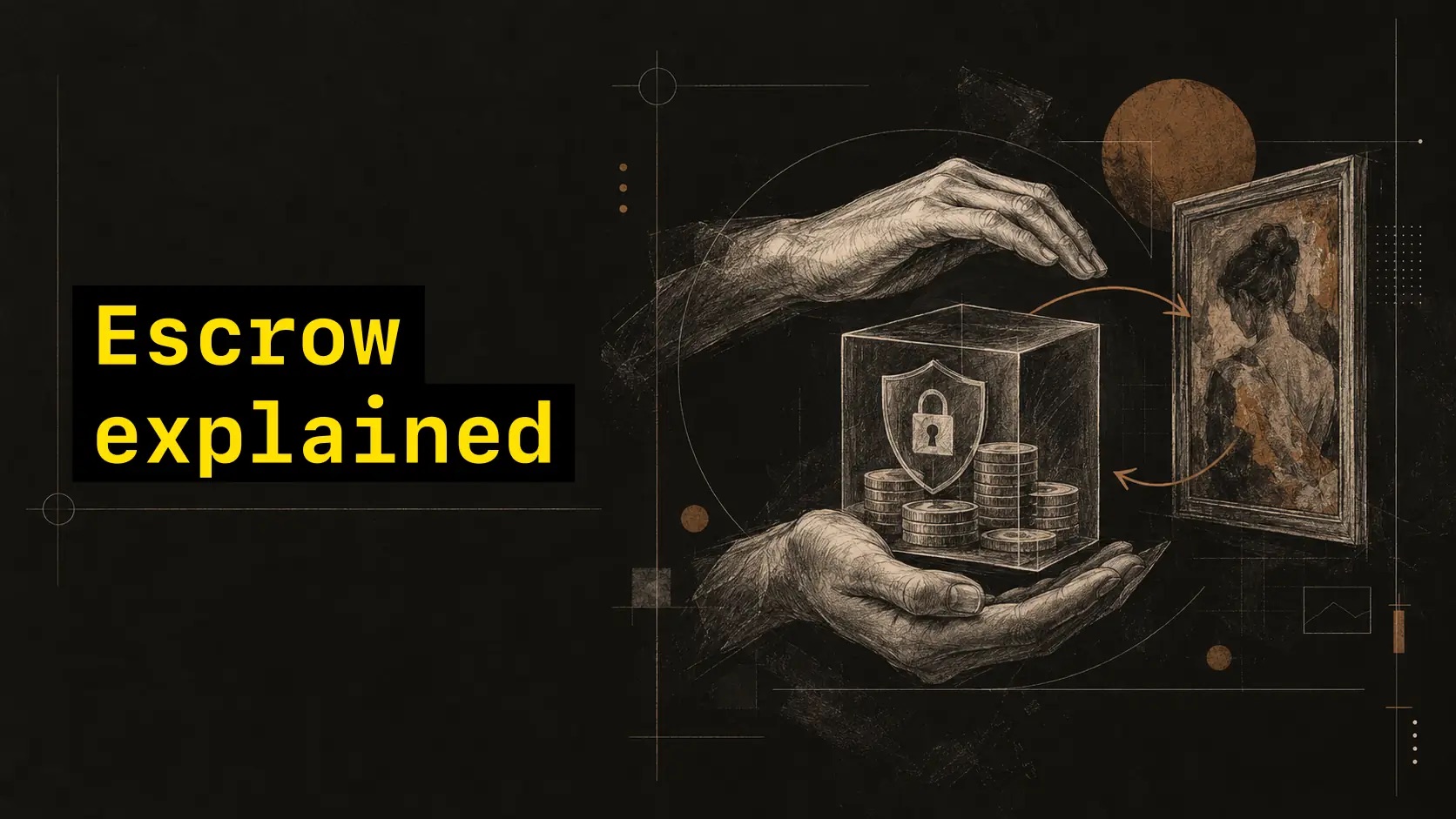
The biggest friction point of selling on Facebook or Instagram is trust. Buyers are understandably hesitant to send ₱20,000 via GCash to a stranger on the internet. Obramaestra acts as a trusted intermediary. The collector's payment is secured by our platform and is only released to the artist once the artwork is safely delivered and verified.
Buyers also get a 14-day claims window to report damage or non-delivery, the kind of protection you'd expect from a major retailer, not just a promise from a stranger online.
This protects the buyer from scams and protects the artist from joy reservers and non-payment.
5. An open, community-driven marketplace
Unlike traditional online galleries that gatekeep emerging talent, Obramaestra is an open marketplace. We believe that the market, the collectors, interior designers, and art enthusiasts, should decide what has value. We provide the tools of a professional gallery: high-quality image hosting, detailed artist profiles, and categorized search functions that make it easy for local buyers to discover your work without you having to fight social media algorithms all day. Ready to see what's already listed? Browse the marketplace.
Stop fighting the system. Start selling your art.
You didn't become an artist to spend your days calculating PayPal conversion fees, answering "hm po?" in your Instagram DMs, or fighting with global platforms over subscription charges. You became an artist to create. Obramaestra was built to handle the business, security, and logistical hurdles of the local art market so you can get back to the studio.
Ready to join the best platform to sell art in the Philippines? Create your free artist profile on Obramaestra today and start connecting with local collectors who are actively looking for your work.
Frequently asked questions
Obramaestra charges a flat 15% commission on every artwork sold, whether it's a small study or a large commissioned piece. That's well below the 40% Saatchi Art takes or the 40 to 45% Artfinder charges, and there are no monthly subscription fees on top of it.
Yes. Obramaestra holds the buyer's payment in escrow until the artwork is delivered and verified, and buyers get a 14-day window to report damage or non-delivery. Neither side has to rely on trust alone.
Not yet. Obramaestra currently focuses on original, one-of-a-kind physical artworks such as paintings and sculpture rather than digital downloads or print-on-demand products.
The artist arranges shipping through a local courier such as Lalamove, J&T Express, or LBC. Obramaestra keeps the transaction domestic so artists avoid the international shipping zones and customs paperwork that come with global platforms.
The right platform depends on your goals. Global marketplaces like Saatchi Art offer bigger audiences at a higher commission cost, curated local galleries like Cartellino require an invitation, and Obramaestra offers a lower flat commission with local payment methods and escrow protection built for the Philippine market.